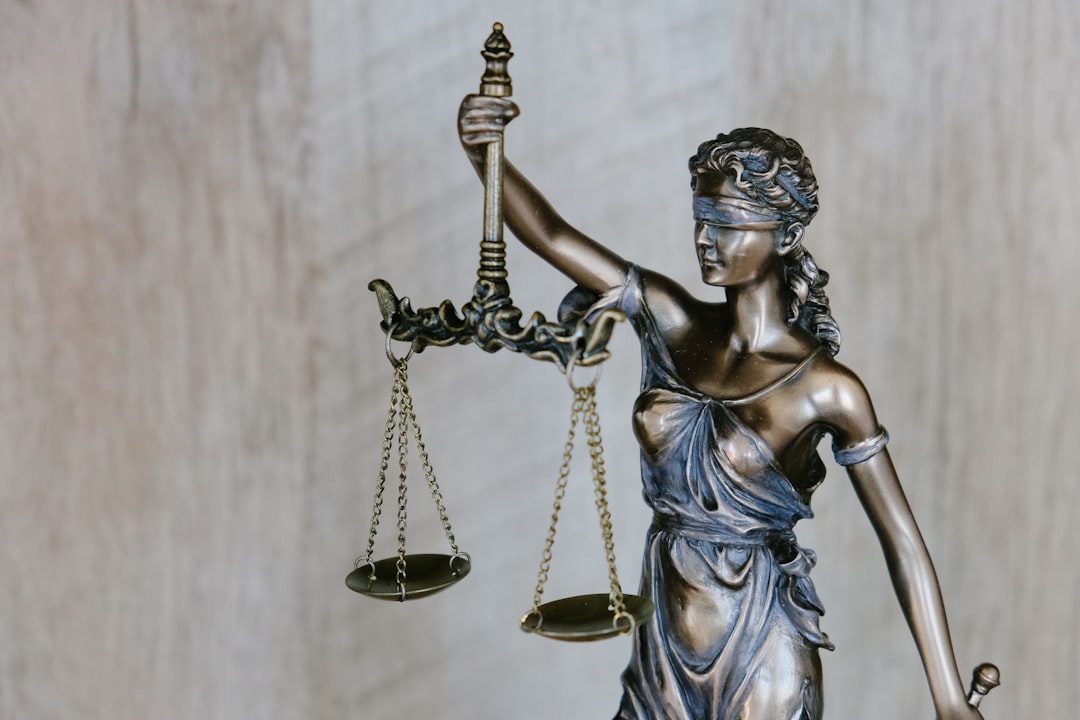
Chicago's Debt Collection Ordinances protect consumers from aggressive collectors, setting clear guidelines for communication and conduct. Understanding these laws is crucial for debtors and lawyers, especially in LA, where they empower individuals to defend their rights. A specialized lawyer for debt collector in Laws LA navigates this complex landscape, ensuring fair treatment and accurate debt information for debtors while guiding collectors according to regulations like the FDCPA.
“Chicago, a bustling metropolis, has unique regulations surrounding debt collection practices. This article delves into the intricate world of debt collector legal precedents in Illinois, offering a comprehensive guide for both industry professionals and debtors. We explore ‘Chicago debt collector laws’ and significant court cases that have shaped this field. Understanding these precedents is crucial for navigating the rights of debtors and collectors alike, ensuring fairness within the state’s legal framework.
Key sections cover notable legal cases, rights and responsibilities, and provide valuable insights for those seeking guidance from LA-based lawyers specializing in debt collection laws.”
Understanding Chicago Debt Collection Laws
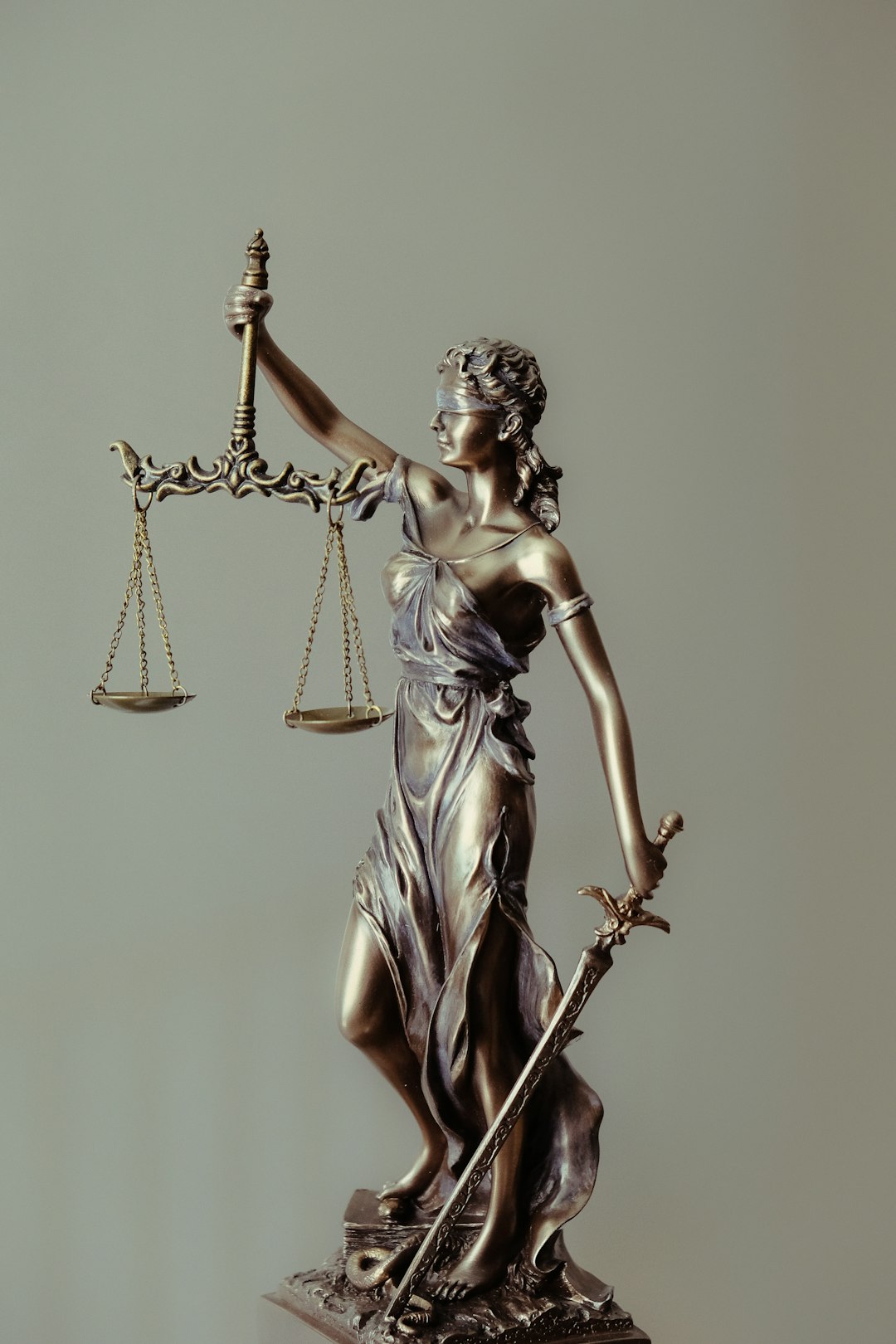
Chicago, as a bustling metropolis, has strict laws regarding debt collection practices, known as the Chicago Debt Collection Ordinances. These regulations are designed to protect consumers from aggressive or unfair tactics by debt collectors. Understanding these laws is crucial for both individuals facing debt and lawyers specializing in this field. A lawyer for debt collector laws LA can provide valuable insights into navigating these regulations.
The Chicago ordinances set clear guidelines on communication methods, disclosure requirements, and the overall conduct of debt collectors. For instance, they limit the number of phone calls or messages a collector can make, ensure proper documentation during the collection process, and prohibit misleading or deceptive practices. Knowledge of these laws empowers individuals to stand up for their rights and seek legal recourse if necessary, with the assistance of a qualified LA-based lawyer specializing in debt collector legislation.
Notable Legal Precedent Cases in Illinois

In Illinois, several notable legal precedent cases have shaped the landscape for debt collection practices. One key case is Brown v. McCaughn (1923), which established that a debt collector cannot engage in fraudulent or deceptive practices when attempting to collect a debt. This case set a strong foundation for consumer protection laws in the state.
Additionally, Kestnbaum v. Intelius.com, Inc. (2014) highlighted the importance of accuracy in debt reporting. The court ruled that credit reporting agencies and debt collectors must ensure the information they provide is correct, and liable for damages if false or inaccurate data is shared. These cases have been instrumental in guiding the behavior of lawyers for debt collectors, ensuring fair and ethical practices in LA and across Illinois.
Rights of Both Debtors and Collectors

In the dynamic landscape of consumer debt collection, understanding the rights of both debtors and collectors is paramount. A lawyer for debt collector in Los Angeles can navigate the intricate web of legal precedents that shape this industry. Debtors, as protected individuals, have the right to fair treatment, accurate information about their debt, and reasonable avenues for dispute resolution. They are shielded from abusive or harassing collection practices, ensuring their dignity and peace of mind.
On the other hand, collectors—whether individual agencies or legal professionals—must adhere to stringent regulations. These include complying with the Fair Debt Collection Practices Act (FDCPA), which prohibits false or misleading statements, unreasonable contact attempts, and threats. A competent lawyer for debt collector in Los Angeles can help both parties understand and respect these rights, fostering a balanced and compliant collection process that benefits all involved.