Debt Collection Practices in Chicago: Navigating the Complexities
Introduction
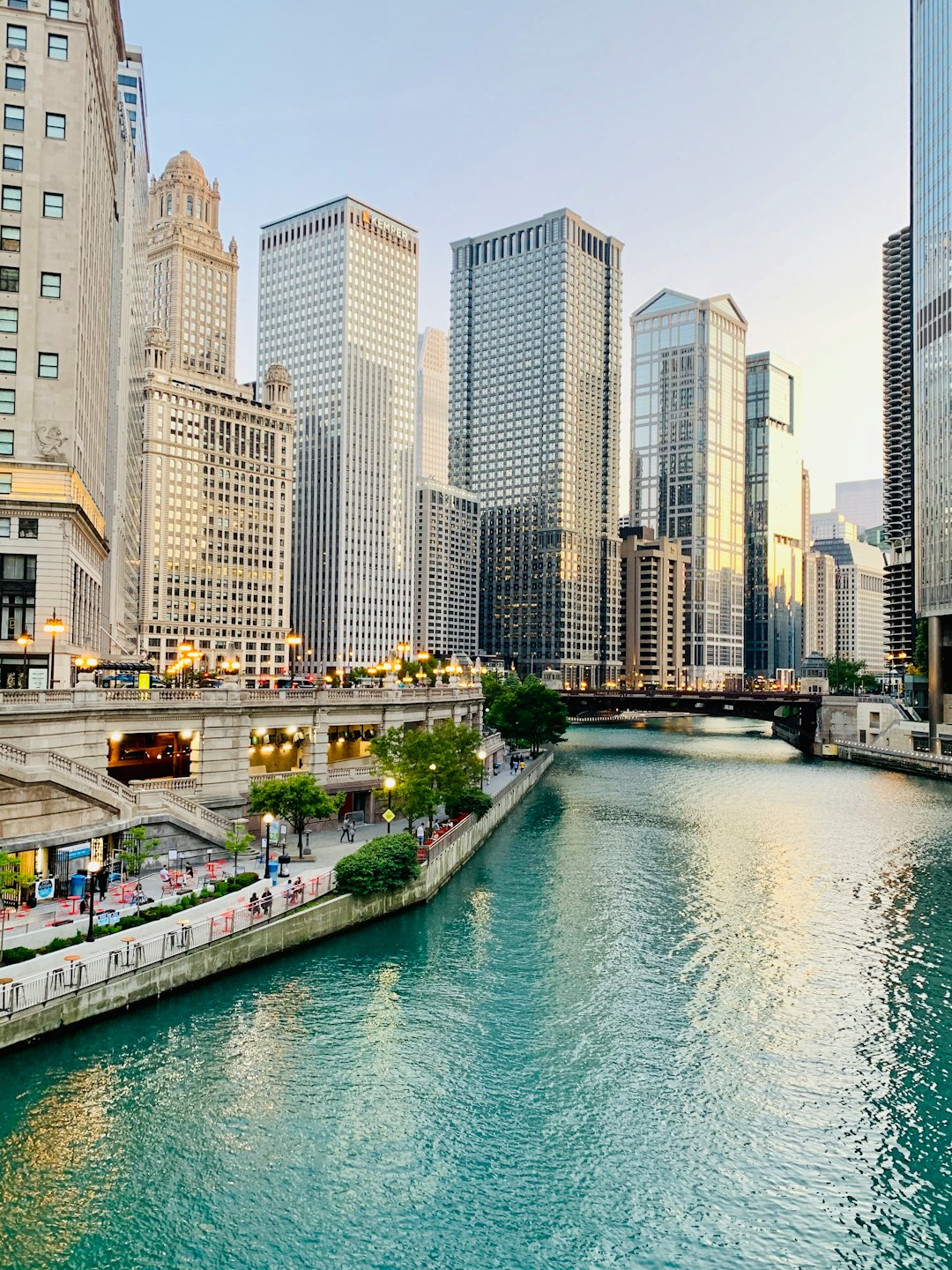
In the bustling city of Chicago, a unique set of challenges arises in the realm of debt collection. This article delves into the nuances of debt collectors contacting individuals by mistake, a phenomenon that not only affects the privacy and peace of mind of innocent citizens but also raises questions about the efficiency and ethics of current debt collection practices. As we explore this topic, we will uncover the intricacies involved, the impact on both consumers and creditors, and the broader implications for society.
Understanding Debt Collector Calling Wrong Number in Chicago
Debt collectors calling the wrong number in Chicago is a specific instance where debt collection practices intersect with privacy concerns and consumer protection laws. It involves debt collection agencies reaching out to individuals who are not actually responsible for the debts being pursued. This practice, while sometimes a result of outdated information or human error within the agencies, can have significant repercussions for those on the receiving end.
Historically, debt collection has evolved from personalized approaches to increasingly sophisticated and automated systems. The relevance of understanding 'debt collector calling wrong number in Chicago' lies in its representation of the challenges faced in modern debt collection practices and the need for balance between creditor rights and consumer protection.
Global Impact and Trends
The impact of incorrect debt collection calls transcends local boundaries, reflecting a global issue that various countries are grappling with. In regions like the United States, the Consumer Financial Protection Bureau (CFPB) has established guidelines to protect consumers from abusive or deceptive debt collection practices. These trends underscore the importance of robust regulatory frameworks and the adoption of technology to minimize such occurrences.
In other parts of the world, the approach to regulating debt collection may differ, with some countries taking a more stringent stance on consumer rights while others prioritize creditor interests. The global landscape thus presents a varied picture where different regions balance the needs of creditors with the protection of individual privacy and rights.
Economic Considerations
From an economic standpoint, debt collection is a critical component of the financial ecosystem. It ensures the flow of capital by facilitating the repayment of owed funds. The role of debt collectors is to recover debts without compromising the integrity of the financial market. However, when wrong numbers are involved, it can lead to economic inefficiencies, legal challenges, and reputational risks for both the collection agencies and the businesses they represent.
Technological Advancements
Technology plays a pivotal role in modern debt collection practices. Automated dialing systems, predictive analytics, and advanced data management tools have transformed the industry. These advancements aim to increase efficiency, reduce human error, and ensure compliance with regulations. However, the challenge remains to refine these technologies to prevent incorrect calls from reaching individuals who are not responsible for the debts in question.
Policy and Regulation
The regulatory framework governing debt collection is comprehensive, including federal and state laws such as the Fair Debt Collection Practices Act (FDCPA) in the U.S. These regulations set forth clear guidelines to protect consumers from abusive or harassing collection practices while allowing for legitimate efforts to recover owed funds. The enforcement of these policies is critical in maintaining trust and ensuring that debt collectors act within legal boundaries.
Challenges and Criticisms
One of the primary challenges in debt collection, particularly when wrong numbers are involved, is balancing the need to recover debts with respecting individual privacy rights. Criticisms often arise regarding the invasiveness of collection tactics, the use of automated systems that lack personal discretion, and the potential for unfair targeting of vulnerable individuals. Addressing these challenges requires a combination of improved data accuracy, better training for collectors, and more stringent enforcement of existing regulations.
Case Studies
Several case studies highlight instances where debt collectors have successfully navigated the complexities of contacting the wrong number. These examples often involve swift corrective actions, clear communication with the affected individuals, and a commitment to improving internal processes to prevent recurrence. From these case studies, valuable lessons are drawn regarding the importance of transparency, accountability, and customer service in resolving such issues.
Future Prospects
The future of debt collection practices, particularly in avoiding incorrect calls, is likely to be shaped by advancements in artificial intelligence (AI), machine learning, and data analytics. These technologies can potentially enhance the accuracy of debt assignment and reduce the likelihood of miscommunication. Additionally, ongoing legal and regulatory developments will continue to influence how debt collectors operate, with a focus on safeguarding consumer rights while ensuring the integrity of the financial system.
Conclusion
In conclusion, the issue of debt collectors contacting the wrong number in Chicago is indicative of broader challenges within the debt collection industry. It underscores the need for continuous improvement in practices, adherence to regulations, and the ethical treatment of consumers. As we move forward, it is imperative that all stakeholders—consumers, creditors, and collectors—work collaboratively towards a system that is fair, efficient, and respectful of individual rights.
FAQs
-
Can debt collectors call my phone number if I don't owe the debt?
Yes, but they must comply with the FDCPA and similar state laws. They have a responsibility to verify the correct party before initiating collection efforts.
-
What should I do if I receive a call from a debt collector about a debt that's not mine?
You should request validation of the debt, provide written communication to the collector, and report the incident to relevant consumer protection agencies.
-
Are there any laws protecting consumers from incorrect debt collection calls?
Yes, the FDCPA and similar state laws protect consumers from abusive, deceptive, or harassing debt collection practices.
-
Can debt collectors contact me at work if I don't owe the debt?
Debt collectors may only contact your place of employment if they have previously communicated with you and you have informed them that they cannot reach you there.
-
What are some examples of technology that can help prevent incorrect debt collection calls?
Technology such as blockchain for data verification, AI for predictive analytics, and secure databases to maintain accurate consumer information can help minimize incorrect calls.
-
How can I protect myself from wrongful debt collection practices?
Keep your personal and financial information secure, regularly review your credit reports, and stay informed about your rights under consumer protection laws.
August 5, 2025
debt collector calling wrong number Chicago Expert
Consumers in Illinois have strong rights against unfair debt collection practices, governed by state laws and the Fair Debt Collection Practices Act (FDCPA). Debt collectors must validate debts within 5 or 30 days, depending on the situation. Consumers can dispute debts, demand verification, and sto.......
Read more →
August 3, 2025
debt collector calling wrong number Chicago Expert
In Illinois, the Illinois Collection Agency Act (ICAA) protects consumers with strict rules for debt collection agencies, ensuring ethical practices, clear communication, and debtor rights. Debt collectors must adhere to these regulations, including validation requirements, restriction on harassment.......
Read more →
August 1, 2025
debt collector calling wrong number Chicago Expert
Chicago's stringent debt collection regulations, overseen by BACP and IDPR, require prospective collectors to obtain licenses after meeting strict criteria: age 18+, high school diploma, clean criminal record, and completion of a 40-hour training course. Post-licensing, continuous compliance is.......
Read more →
July 30, 2025
debt collector calling wrong number Chicago Expert
In Illinois, both debtors and creditors are protected by state laws governing debt collection practices, with the Fair Debt Collection Practices Act (FDCPA) as a foundational guideline. A debt collector lawyer in Chicago navigates this complex environment, offering insights into local regulations th.......
Read more →
July 28, 2025
debt collector calling wrong number Chicago Expert
In Illinois, consumers have robust protections under federal and state laws like the FCRA and FDCPA against abusive debt collection practices, including spam calls from firms like those in Chicago. Individuals can dispute inaccurate credit report entries, potentially removing them to improve their c.......
Read more →
July 26, 2025
debt collector calling wrong number Chicago Expert
In Chicago and Los Angeles, both state and federal laws protect debtors from aggressive debt collection practices. The Consumer Financial Protection Bureau (CFPB) and acts like the FDCPA set guidelines on call frequency, with a 7-day limit, while local laws emphasize transparency and fairness. A spe.......
Read more →
July 24, 2025
debt collector calling wrong number Chicago Expert
In Illinois, the Illinois Debt Collection Act (IDCA) governs debt collection practices, protecting consumers from abuse and unethical tactics. Third-party debt collectors play a vital role in recovering debts for credit cards, loans, and medical bills. Hiring a Debt Collector Attorney Chicago ensure.......
Read more →
July 23, 2025
debt collector calling wrong number Chicago Expert
Understanding Illinois Bank Account Levy Regulations is vital for residents facing financial pressures or debt collection issues. A bank account levy, or garnishment, allows creditors to seize part of an individual's disposable income or savings to settle debts, with strict guidelines followed.......
Read more →
July 21, 2025
debt collector calling wrong number Chicago Expert
In Chicago, debt collection is governed by state (Illinois Consumer Debt Collection Act - ICDCA) and federal regulations (Fair Debt Collection Practices Act - FDCPA), ensuring fair treatment for debtors. Pivotal cases like Smith v. Chicago Debt Recovery and Johnson v. Credit Management Associates ha.......
Read more →
July 19, 2025
debt collector calling wrong number Chicago Expert
In Chicago, where both state and federal laws like the Consumer Debt Collection Practices Act (CDPA) protect consumers from aggressive debt collection tactics, debt collector lawyers play a vital role. They educate clients on legal options, negotiate with collectors to ensure compliance with local l.......
Read more →